Finding Trade Show Venues in London: A Guide
Get expert advice on how to make the right London trade show venue shortlist for your objectives.
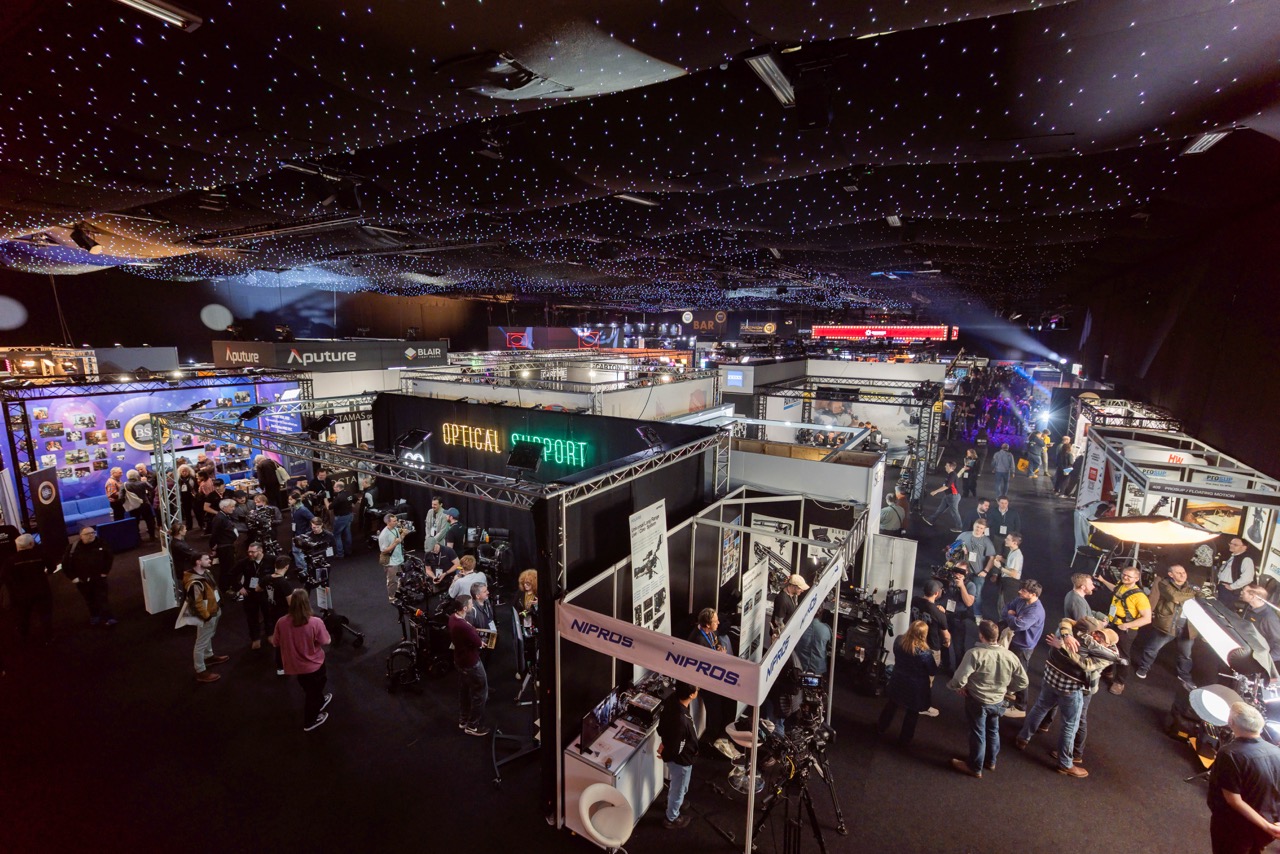
London is one of Europe’s most active exhibition cities. Hundreds of trade shows take place here every year, across industries as varied as technology, food and drink, professional services, fashion, and manufacturing. The venues that host them range from purpose-built exhibition halls accommodating thousands of attendees to versatile blank-canvas spaces that give organisers full creative control.
That variety is what makes London such an attractive destination for trade shows. It also makes venue selection overwhelming. With so many options, each with different capacities, locations, production capabilities, and price points, finding the right space for your event is not simply a matter of booking the biggest name or the most recognisable address.
The right venue is the one that fits your event. Its size, logistics, catering, production requirements, and objectives all need to align with your vision and business goals.
This guide will help you navigate that decision. We cover the key factors to consider before you start shortlisting, and give you a practical framework for making a confident final choice. Whether you are organising your first trade show or refining an event that has outgrown its current venue, this is where to start.
Define your event requirements before you search
Venue selection goes wrong when planners start browsing spaces before they have a clear brief. The most common outcome is a beautiful venue that cannot handle your load-in requirements, or a well-connected space that seats half the audience you are expecting.
Before you make a single venue enquiry, get these fundamentals in writing.
Start with your objectives
What does a successful trade show look like? Are you aiming for new commercial relationships, product awareness among buyers and distributors, industry positioning, or a combination of all three? Your objectives shape everything, from the layout to the visitor journey, exhibitor density, and the atmosphere the venue needs to support. A product launch for 300 invited buyers has entirely different requirements from a 2,000-person open-access trade show.
Establish your numbers
Estimate your footfall and exhibitor count realistically. Overestimate, and you end up with a space that feels half-empty, which undermines commercial confidence. Underestimate, and your visitors are uncomfortable, flow breaks down at the entrance, and the experience suffers. If this is a new or first-edition event, benchmark against comparable shows in your sector for an informed projection.
Map out your logistics
Consider things like build-up and breakdown days, overnight access for exhibitors, vehicle access and loading requirements, and whether any exhibits require specialist handling or rigging. These operational requirements remove a significant number of otherwise suitable venues before you have exchanged a single email about day rates. For example, Evolution London provides 24/7 access, meaning you can cut the cost of rig days.
Set a realistic budget
Venue hire is rarely the highest single cost on a trade show. Before you compare trade show venue day rates, be sure to factor in any additional costs for catering, production and AV, security, staffing, stands and dressing, and any mandatory supplier arrangements the venue requires. A headline rate that looks attractive can change once all costs are included. Leading venues such as Evolution London only work with trusted suppliers, meaning we already have an overview of all costs and can quote or advise on your initial enquiry or site visit.
Be clear about your role in delivery
Are you managing the event in-house from end to end, working with an event agency, or relying on the venue’s in-house production and event management team? The answer shapes which venue types suit you best. Generally, a full-service venue with in-house partners removes operational burden.
Understanding London's trade show venue landscape
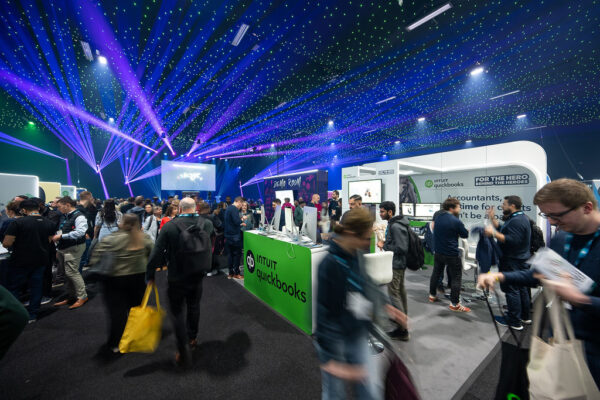
Geographically, London’s main trade show venues are spread across several distinct areas.
- West London serves audiences travelling in from the Home Counties and Greater London.
- East London and the Docklands offer strong connectivity for international arrivals and the City.
- South London, particularly Battersea, is easily accessible from central London, Westminster, and Sloane Square, and close to Victoria Station.
- North London spans neighbourhoods from Islington up to Haringey and offers a range of venues that serve markedly different audience profiles and event scales.
Some venues primarily host public or organiser-run shows (where your brand and event operate within a shared environment), while other venues are available for exclusive hire, where the entire space is yours to brand, configure, and control. For mid-size B2B trade shows and product launches, exclusive hire usually delivers a superior commercial and brand experience.
Timing also matters more in London than in most markets. Peak season for B2B trade and other corporate events runs from spring to November. The most in-demand venues book out months in advance, and in some cases over a year ahead. Start your search earlier than you feel necessary.
What to consider when choosing trade show venues in London
Once you have decided on the general area and mandatory requirements, the next step is evaluating venues against your brief. Here is what experienced planners prioritise.
Location and transport links
A venue that is hard to reach suppresses attendance regardless of how good the space is. For B2B trade shows, where attendees are usually making an active decision to invest time in visiting, friction at the travel stage can be a deterrent. Be sure to check transport links and parking.
Capacity that fits your event
Maximum capacity is a useful figure, but exhibition floor space will be consumed quickly by stands, aisles, registration areas, break-out zones, catering points, and circulation space. A venue’s stated capacity for an exhibition format will typically reflect the most densely packed configuration. Work with a realistic floor plan from the outset to understand your event’s capacity.
Ceiling height is a related consideration that frequently gets overlooked. If exhibitors want to build double-deck stands, hang branding or lighting, or create any kind of vertical impact, they need a minimum clear height of around six to eight metres.
Production, rigging, and custom stand builds
If your show involves custom stand builds, hanging signage, suspended lighting rigs, feature installations, or any form of theatrical staging, the venue’s technical specification should be a primary filter.
The key things to verify: fixed rigging points and their load ratings, ceiling clearance, three-phase power supply and its distribution across the floor, and level load-in access that allows large vehicles and specialist equipment to enter without complicated workarounds.
Also, understand the supplier model. Some venues have in-house production partners whose involvement is mandatory or strongly preferred. Others operate on a dry-hire basis, where you bring your own. What matters is that you understand the arrangement before you commit, and that you account for the associated costs accurately.
Crowd management, security, and visitor flow
High-footfall events demand attention to how visitors enter, register, move through the show, and exit. The venue’s design plays a significant role in how easily this can be managed.
Look for wide, well-proportioned entrance foyers with space for ticketing or badge collection without creating bottlenecks. Segregated entrances for exhibitors and visitors simplify logistics on build day and during the show. Back-of-house access for staff, freight, and catering needs to function independently of visitor routes.
On security, many reputable London venues mandate their own security provision as part of the hire agreement. Understand what is included and at what cost. For events where safety and perimeter control are priorities, such as large-scale shows with open or ticketed access, verify that the venue has direct experience managing comparable events.
Catering arrangements
Many established London venues have exclusive or preferred caterers. For example, Evolution London works exclusively with Moving Venue for premium catering. Understanding the catering arrangement early prevents a common planning pitfall: arriving at a contract stage to discover that the venue’s exclusive caterer quotes significantly more than you budgeted.
Branding and exclusivity
For B2B trade shows and product launches, full venue exclusivity (where your event is the only event in the space) is almost always worth prioritising. It gives you control over every visual touchpoint: the entrance experience, interior dressing, digital screens, outdoor signage, and the overall brand atmosphere.
Budget transparency
Get fully loaded cost estimates from every venue you shortlist. Security officers, cleaning, electricity, AV basics, event management staff on the day, and first aid provision can all add to a venue’s stated hire cost. Ask directly: what is and is not included? Which London suppliers are mandatory? What will the total cost look like if we run a two-day event with two build days and one breakdown day?
Comparing venues fairly requires like-for-like numbers. The cheapest headline rate rarely remains the cheapest once all mandatory costs are included.
How to build your venue shortlist
With a clear brief and a working knowledge of the venue landscape, here is the process that consistently produces better shortlists and better outcomes.
Filter on non-negotiables first
Identify the two or three absolute requirements. Minimum floor space, 24-hour build access, a specific transport link, a ceiling height requirement; whatever cannot be compromised. Apply these filters before you begin requesting proposals. You will reduce your longlist immediately.
Request detailed proposals
Approach three to five venues with a full brief: event dates, estimated footfall, build and breakdown days required, a summary of the production requirements, and a request for a fully loaded cost estimate. A venue that cannot respond to a detailed brief with a detailed proposal is telling you something important about how the partnership will work.
Conduct in-person site visits
There is no substitute for walking the space. Visit during business hours if possible, but also try to arrange a visit during a comparable event to see how the venue operates under pressure. Assess the load-in route, the acoustic properties of the main hall, the toilet capacity relative to your expected attendance, and the quality of the back-of-house areas your team will use.
Compare on a like-for-like basis
Before you draw a comparison between venue costs, make sure you are looking at equivalent scopes. If venue A includes security and cleaning, and venue B does not, the headline figures are not comparable. Build a consistent cost model that applies the same scope to every venue.
Choose the right trade show venue for your event
The venue is the foundation your event is built on. Get it right, and everything else becomes significantly easier to deliver. Get it wrong, and no amount of great content or exhibitor quality can fully compensate.
If you are planning a large-scale trade show, a high-production exhibition, or a product launch that needs to make a lasting impression on buyers and distributors, Evolution London is worth including in your shortlist. Our large event space in Battersea Park offers the flexibility, production infrastructure, and blank-canvas exclusivity that ambitious events require.